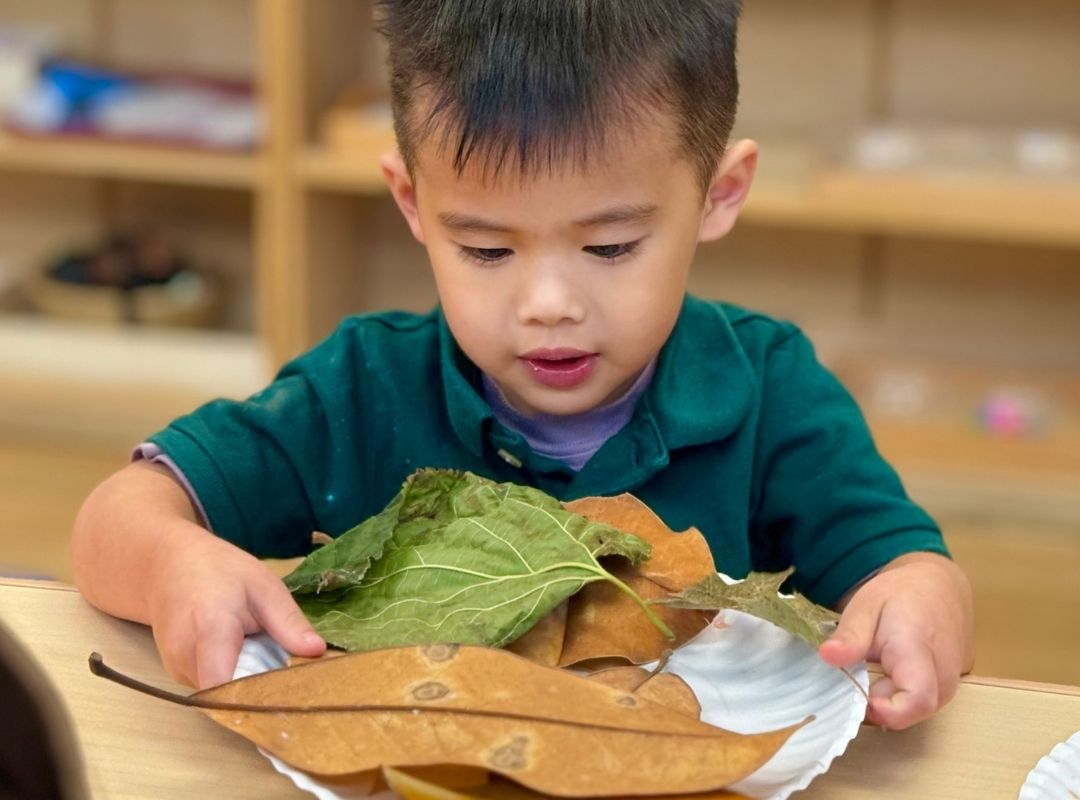
Children are naturally curious. From asking endless questions to experimenting with everyday objects, they are constantly exploring how the world works. Early childhood is the perfect time to nurture this curiosity through meaningful, hands-on learning experiences that encourage creativity, critical thinking, and exploration. One of the most effective ways to achieve this is through STEAM education.
STEAM stands for Science, Technology, Engineering, Arts, and Mathematics. Rather than teaching these subjects separately, STEAM combines them into engaging activities that inspire children to investigate, create, experiment, and solve real-world problems. This approach transforms learning into an exciting adventure instead of a series of lessons.
Whether parents are searching for Steam Activities For Kids, Steam Activities For Kids Near Me, Steam Activities For Toddlers, or Steam Activities For Kindergarten, understanding the value of STEAM education can help them choose programs that support their child’s long-term success.
What Are STEAM Activities?
STEAM activities are hands-on learning experiences that combine science, technology, engineering, art, and mathematics in age-appropriate ways. Instead of memorizing facts, children learn by asking questions, testing ideas, making observations, and creating solutions.
Examples include:
- Building bridges with blocks
- Creating colorful chemical reactions
- Designing simple machines
- Painting with natural materials
- Measuring ingredients while cooking
- Constructing towers from recycled materials
- Exploring patterns through music and movement
These experiences encourage children to think independently while making learning enjoyable and memorable.
Why Curiosity Matters in Early Childhood
Curiosity is one of the strongest drivers of learning. When children are encouraged to ask questions and investigate their surroundings, they develop confidence in their ability to discover answers.
Rather than simply telling children how something works, STEAM activities encourage them to ask:
- Why did this happen?
- What will happen if I change something?
- Can I build it differently?
- How can I improve my design?
This type of thinking develops a growth mindset, helping children understand that mistakes are part of learning rather than something to fear.
At Montessori Reggio Academy, curiosity is viewed as the starting point for meaningful education. By blending the Montessori Method, Reggio Emilia philosophy, and STEAM learning, the academy encourages children to explore ideas through discovery, experimentation, and creativity.
Developing Problem-Solving Skills Through Play
One of the greatest benefits of STEAM education is its ability to strengthen problem-solving skills.
During a STEAM activity, children are constantly making decisions:
- Which materials should I use?
- Why didn’t my project work?
- How can I make it stronger?
- What should I try next?
Instead of being given the answers, children are encouraged to test different ideas until they find a solution.
This process teaches persistence, resilience, and creative thinking—skills that extend far beyond the classroom.
As children solve small challenges during STEAM activities, they become more confident tackling larger challenges later in life.
How STEAM Supports Cognitive Development
STEAM learning stimulates multiple areas of the brain at the same time.
For example, when children build a bridge from blocks, they are using:
- Mathematics to measure and balance
- Engineering to design structures
- Science to understand stability
- Creativity to improve their design
- Critical thinking to solve problems
This integrated learning approach helps children make meaningful connections between different subjects rather than viewing each one separately.
Hands-on experiences also improve memory because children actively participate in the learning process.
STEAM Activities for Toddlers
Parents often assume STEAM learning begins in elementary school, but toddlers can benefit from simple, age-appropriate activities that encourage exploration and discovery.
Some excellent Steam Activities For Toddlers include:
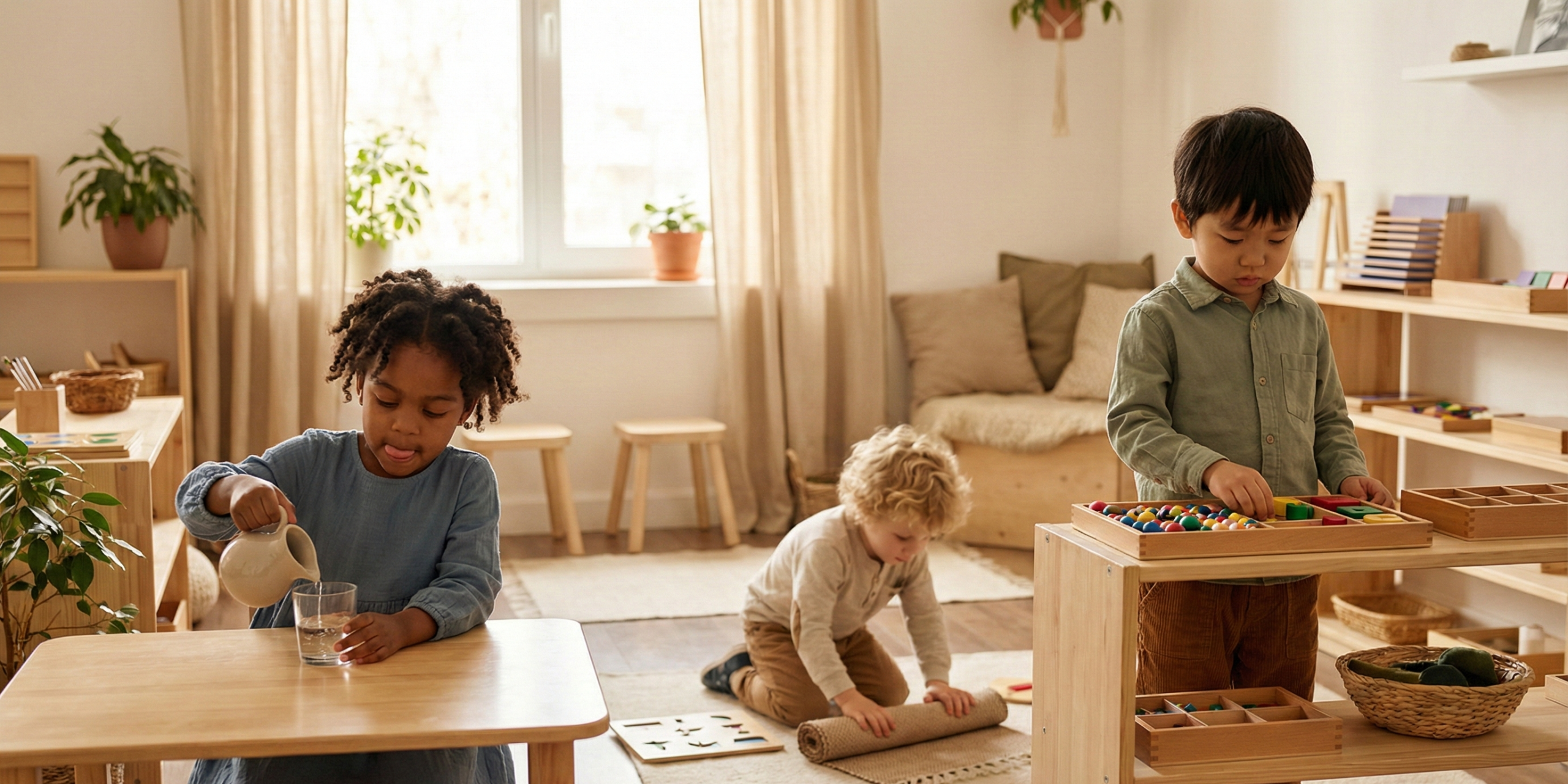
Water Exploration
Provide cups, funnels, spoons, and containers of different sizes.
Children naturally begin experimenting with pouring, measuring, floating, and sinking while developing fine motor skills.
Color Mixing
Allow toddlers to combine washable paints or colored water.
Watching colors transform encourages observation and curiosity.
Nature Exploration
Collect leaves, rocks, flowers, and sticks during a walk.
Children can sort objects by size, color, or texture while learning about the natural world.
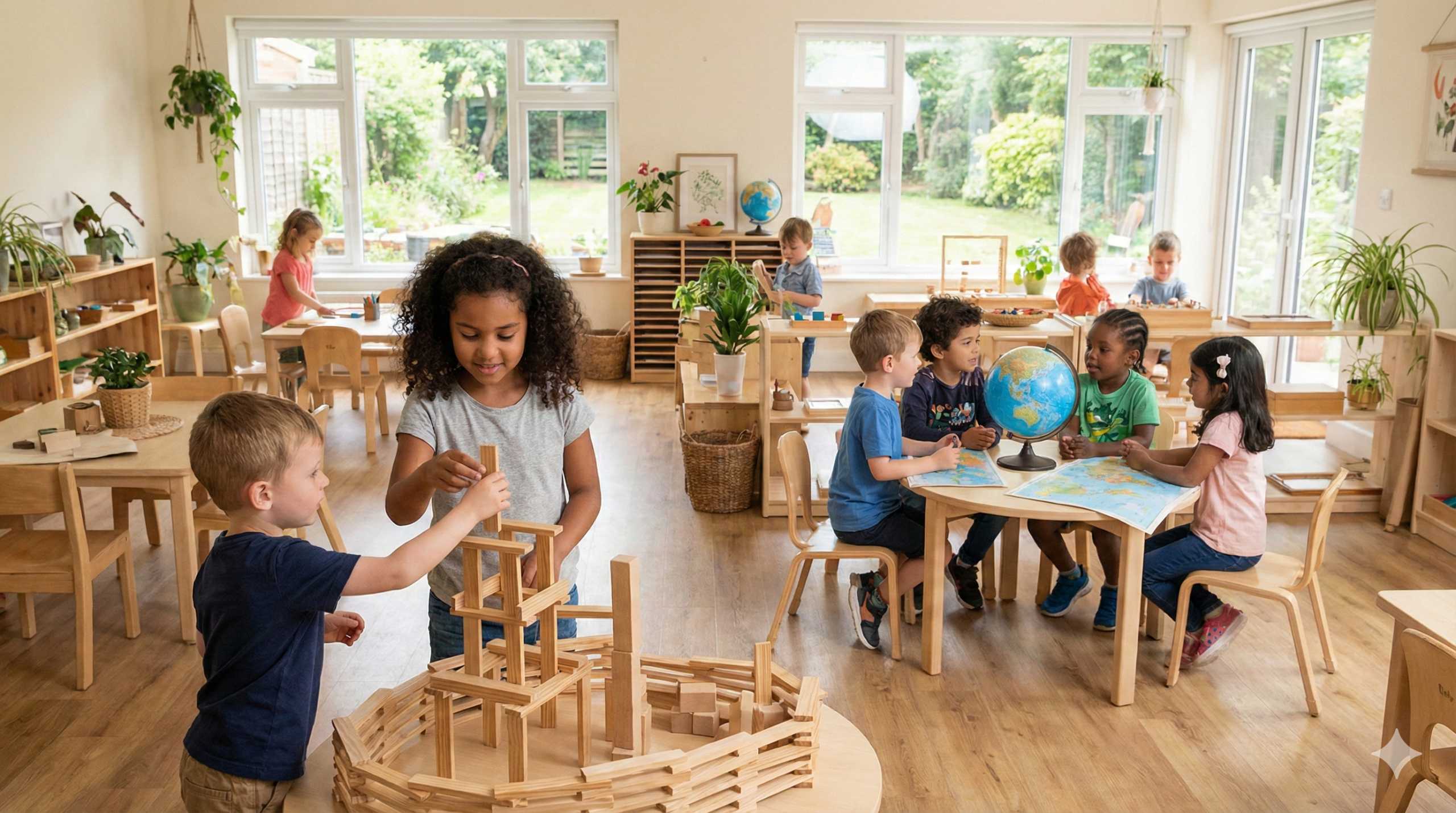
Building With Large Blocks
Simple construction activities introduce early engineering concepts while improving coordination and spatial awareness.
These activities demonstrate that meaningful STEAM learning can begin long before formal schooling.
STEAM Activities for Kindergarten
As children grow older, STEAM projects can become more detailed while remaining fun and interactive.
Popular Kindergarten in Katy, Texas include:
- Designing paper airplanes and testing flight distances
- Building bridges from craft sticks
- Growing plants and recording observations
- Creating simple pulley systems
- Constructing marble runs
- Making homemade musical instruments
- Exploring magnets and magnetic objects
These projects strengthen critical thinking while encouraging collaboration and creativity.
Children also learn that there is often more than one solution to a problem, an important lesson that supports lifelong learning.
Creativity Is an Essential Part of STEAM
The “A” in STEAM stands for Arts, and it plays a critical role in helping children think creatively.
Art encourages children to:
- Express ideas visually
- Experiment without fear of failure
- Communicate creatively
- Develop imagination
- Strengthen fine motor skills
When art is combined with science and engineering, children begin seeing that creativity exists in every subject.
For example, designing a bridge requires both engineering knowledge and creative thinking.
This combination helps children become flexible thinkers who approach challenges from multiple perspectives.
Building Confidence Through Hands-On Learning
Every successful STEAM project gives children a sense of accomplishment.
Whether they successfully build a tower, complete an experiment, or solve a design challenge, children experience the satisfaction of achieving a goal through their own effort.
This confidence encourages them to:
- Take healthy risks
- Try new ideas
- Learn from mistakes
- Continue asking questions
- Believe in their abilities
These positive experiences contribute to emotional development as well as academic growth.
Collaboration and Communication
Many STEAM activities involve teamwork.
Children learn how to:
- Share ideas
- Listen to others
- Divide responsibilities
- Respect different opinions
- Solve problems together
These social skills are just as valuable as academic knowledge.
Collaborative learning also teaches children that complex problems are often solved more effectively when people work together.
STEAM Learning Beyond the Classroom
Parents can easily encourage STEAM learning at home using everyday materials.
Simple activities include:
- Baking together and measuring ingredients
- Building forts with blankets
- Recycling cardboard into inventions
- Creating shadow experiments outside
- Designing obstacle courses
- Exploring insects in the backyard
- Counting and sorting household objects
These activities require very little preparation while providing valuable educational experiences.
Families searching online for Steam Activities For Kids Near Me often discover that the best programs combine structured learning with opportunities for exploration at home.
Why Montessori Reggio Academy Integrates STEAM Learning
Montessori Reggio Academy provides a unique educational experience by combining authentic Montessori education with the Reggio Emilia approach, Cambridge Early Years curriculum, and STEAM learning. Children participate in hands-on science experiments, engineering challenges, art projects, sensory exploration, and inquiry-based activities that encourage curiosity, creativity, and independent thinking. This child-centered approach helps students become confident learners who enjoy exploring new ideas while developing critical problem-solving skills.
Final Thoughts
STEAM education is about much more than preparing children for future careers in science or technology. It is about helping them become curious thinkers, creative problem-solvers, confident communicators, and lifelong learners.
Through engaging Steam Activities For Kids, children learn to ask questions, test ideas, overcome challenges, and discover solutions through hands-on exploration. Whether you’re looking for Steam Activities For Toddlers, Steam Activities For Kindergarten, or searching online for Steam Activities For Kids Near Me, choosing a program that encourages inquiry and creativity can have a lasting impact on your child’s development.
When children are given opportunities to explore, experiment, and create in a supportive environment, they build the confidence and skills needed to succeed both inside and outside the classroom.