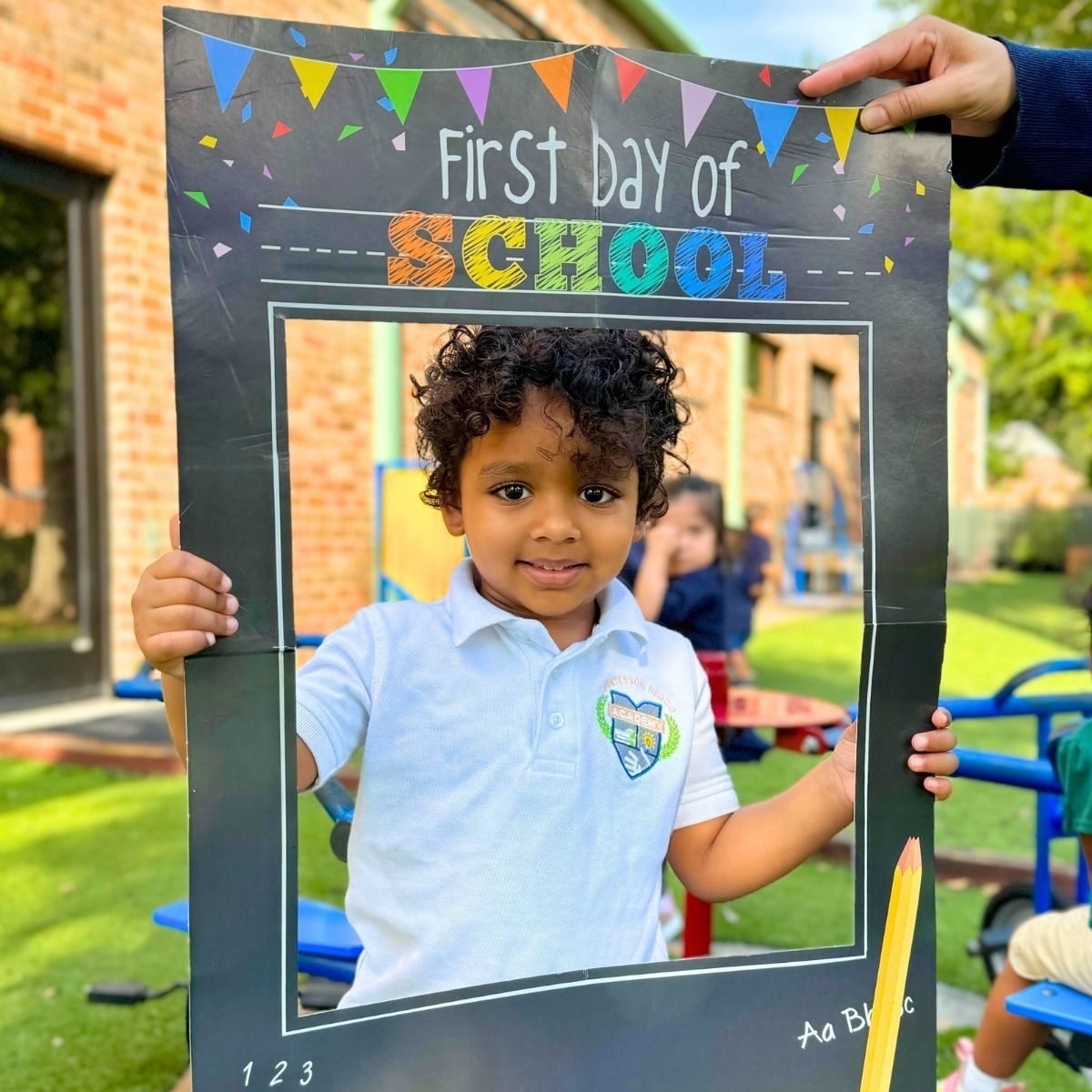
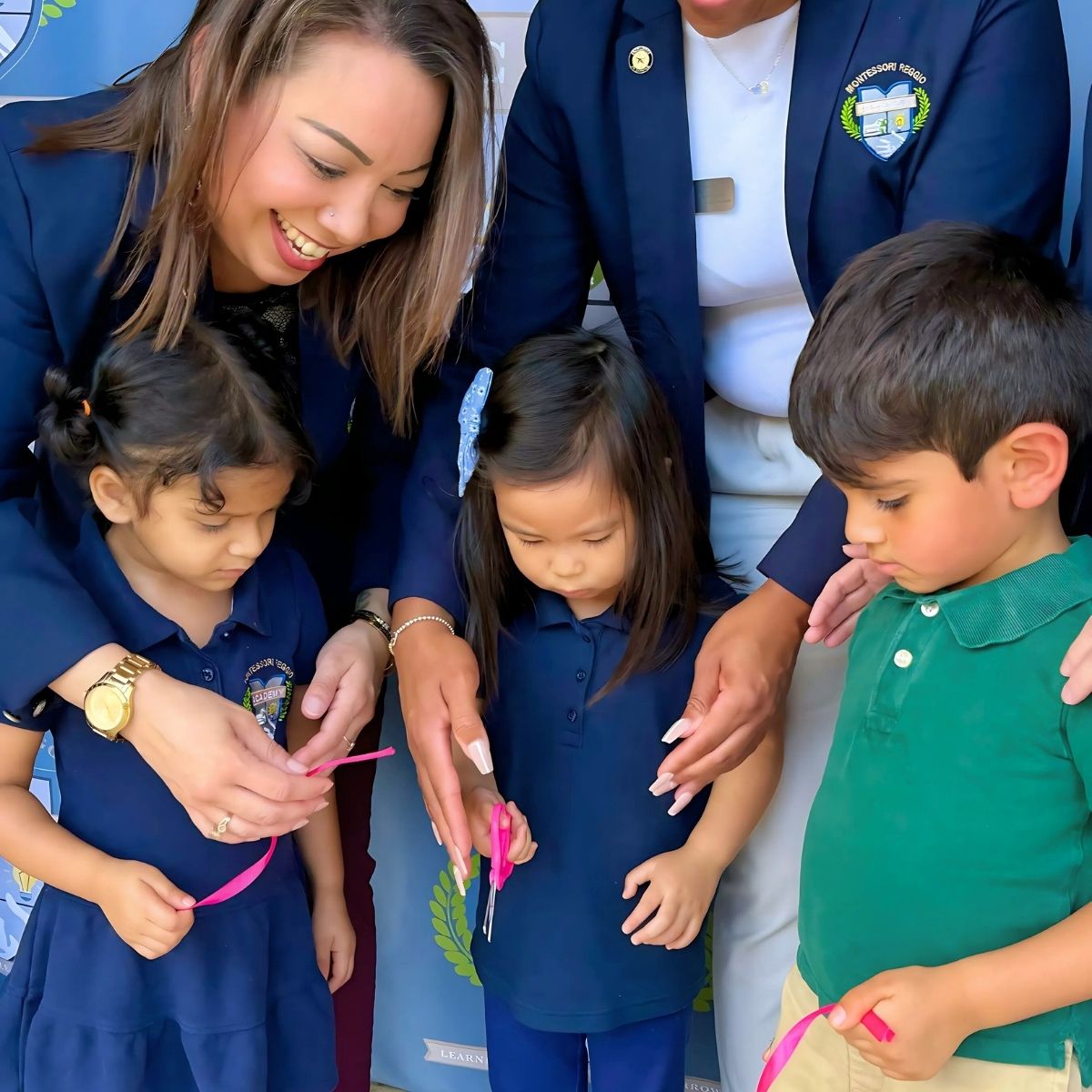
Starting preschool is an exciting milestone for young children and their families. It marks the beginning of new friendships, learning experiences, classroom routines, and opportunities for independence. However, adjusting to an unfamiliar environment can also bring nervousness, uncertainty, and separation anxiety.
For parents in Sugar Land, Katy, and surrounding Texas communities, preparing children for preschool involves more than purchasing school supplies or choosing a backpack. It means helping them feel emotionally secure, understand what to expect, and develop confidence in their new surroundings.
At Montessori Reggio Academy, children are encouraged to explore, build independence, and develop meaningful relationships through Montessori and Reggio Emilia-inspired learning. With thoughtful preparation at home and supportive guidance from educators, families can help make the transition to preschool a positive experience.
1. Start Talking About Preschool Early
Children often feel more comfortable with new experiences when they know what to expect.
Begin introducing the idea of preschool several weeks before the first day. Explain that they will meet teachers, explore activities, play with classmates, and learn new things.
Keep conversations positive and realistic.
Rather than promising that every moment will be exciting, explain that feeling nervous is normal and that teachers will be available to help.
You might say, “At preschool, you’ll have opportunities to paint, build, read stories, and make friends. I’ll come back to pick you up after your school day.”
These conversations help children develop a clearer understanding of the experience.
2. Visit the Preschool Before the First Day
An unfamiliar environment can feel overwhelming to young children.
Visiting the campus beforehand allows them to become familiar with classrooms, teachers, learning materials, and the general atmosphere.
During a tour, encourage your child to observe the classroom and ask questions.
Parents exploring Preschool in Sugar Land or Katy can schedule a visit to Montessori Reggio Academy to learn about its educational approach and classroom environments.
The academy provides programs emphasizing hands-on learning, individualized development, and child-centered exploration.
Seeing the environment beforehand may help children feel more comfortable when their first school day arrives.
3. Establish a Consistent Morning Routine
Predictable routines can provide children with a sense of security.
Before preschool begins, establish a morning schedule that includes waking up, eating breakfast, getting dressed, brushing teeth, and preparing school belongings.
Try to follow a similar sequence each day.
When children know what comes next, mornings may feel less stressful.
Allow additional time during the first few weeks so your child doesn’t feel rushed.
A calm beginning can help establish a positive attitude toward the school day.
4. Practice Short Separations
For some children, preschool represents their first regular experience spending several hours away from a parent.
Short, positive separations before enrollment can help them become familiar with the idea that trusted adults leave and return.
Consider arranging brief visits with grandparents, relatives, or familiar caregivers.
Explain when you will return and follow through consistently.
Gradually, children can begin developing greater confidence during separations.
Avoid disappearing without saying goodbye. Although leaving quietly may seem easier, a predictable departure can help children build trust.
5. Create a Simple Goodbye Ritual
Long, emotional goodbyes can sometimes make separation more difficult.
Instead, establish a brief routine that children can recognize every morning.
For example, your goodbye ritual might include a hug, a high-five, and a reassuring phrase such as, “Have a wonderful day. I’ll see you after school.”
Keep your tone calm and confident.
Montessori Reggio Academy’s parent handbook recognizes that adjustment differs for every child and recommends brief goodbyes to help children become comfortable with their new environment.
Consistency can make the routine increasingly familiar and reassuring.
6. Encourage Independence at Home
Preschool introduces children to opportunities for making choices, managing belongings, and completing age-appropriate tasks.
Parents can prepare children by encouraging independence through everyday routines.
Activities might include:
- Putting toys away after playing
- Washing hands independently
- Choosing between two outfits
- Carrying a small backpack
- Practicing putting on shoes
- Eating with age-appropriate utensils
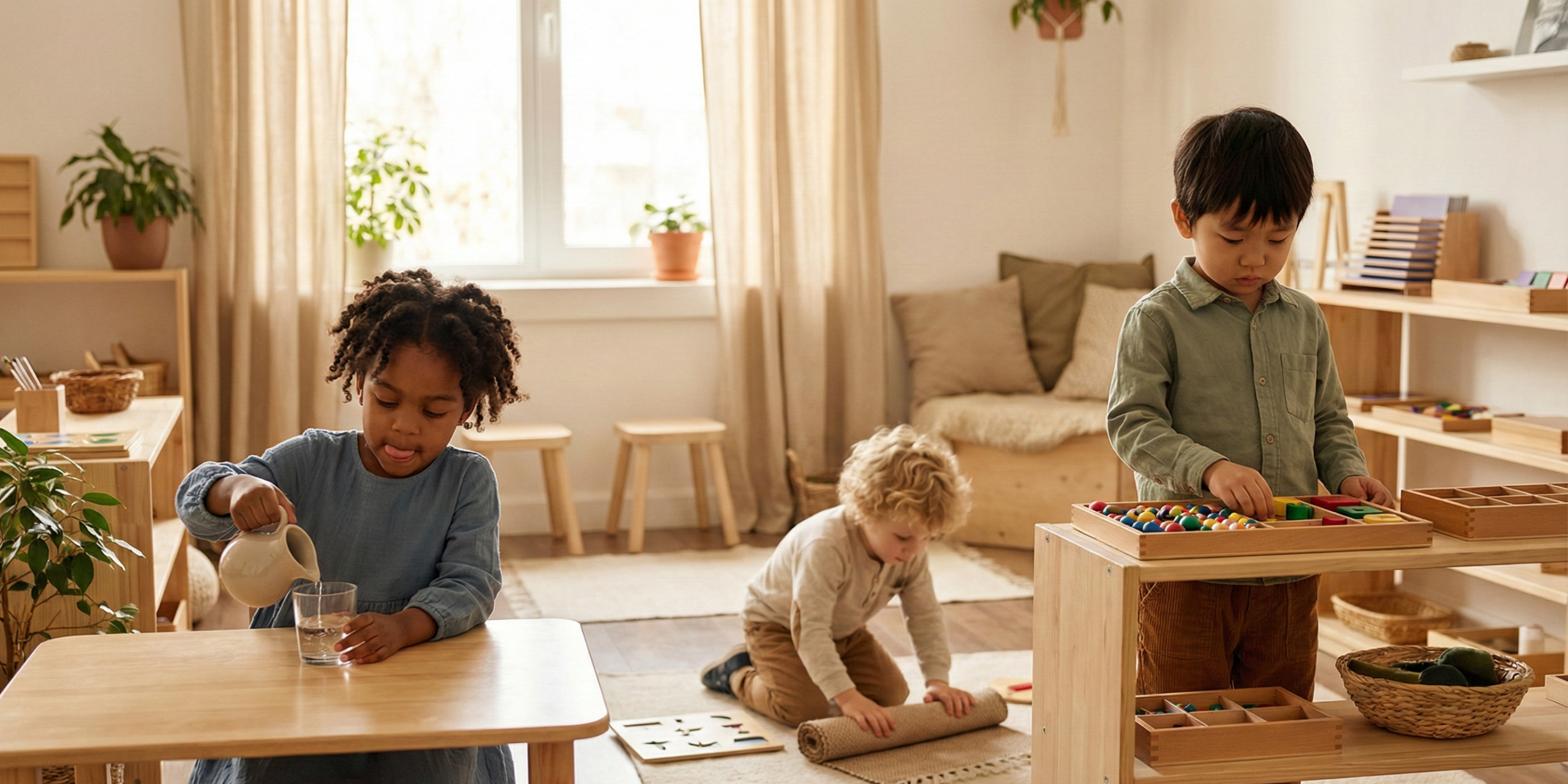
Montessori Reggio Academy incorporates practical-life activities into its educational approach, helping children develop independence, coordination, responsibility, and confidence.
Practicing these skills at home can make classroom routines feel more familiar.
7. Read Books About Starting Preschool
Stories provide a gentle way to introduce unfamiliar experiences.
Choose age-appropriate books featuring children attending school, meeting teachers, making friends, or handling separation.
While reading, ask questions such as, “How do you think this character feels?” or “What would you like to do at preschool?”
These conversations allow children to express their thoughts without feeling pressured.
Reading also creates opportunities to discuss emotions, expectations, and positive ways to handle challenges.
8. Help Your Child Express Their Feelings
Some children eagerly enter preschool, while others feel uncertain or overwhelmed.
Both responses are normal.
Encourage children to communicate their emotions rather than dismissing their concerns.
If your child says they are scared, acknowledge the feeling.
You might respond, “It’s okay to feel nervous when something is new. Your teacher will help you, and I’ll be back after school.”
Children benefit from knowing that their emotions are understood.
Over time, supportive conversations can help them develop emotional awareness and confidence.
9. Communicate With Your Child’s Teachers
Parents and educators can work together to support a successful transition.
Before the first day, share information that may help teachers understand your child’s personality, routines, interests, and needs.
For example, mention whether your child prefers quiet activities, enjoys particular books, or needs additional reassurance during transitions.
Montessori Reggio Academy emphasizes communication between families and educators as part of supporting children’s well-being and development.
Maintaining regular communication can help parents understand how their child is adjusting and identify areas where additional support may be helpful.
10. Give Your Child Time to Adjust
Every child adapts to preschool differently.
Some children become comfortable within a few days, while others need several weeks to develop confidence in their new routine.
It is also possible for a child who initially enjoys school to experience separation difficulties later.
Avoid comparing your child’s progress with classmates or siblings.
Instead, recognize small improvements.
Entering the classroom with less hesitation, participating in an activity, or talking positively about a teacher can all indicate growing comfort.
If distress remains intense or continues without improvement, communicate with the school about additional support.
11. Create Positive After-School Conversations
After preschool, children may need time to rest and reconnect with family.
Instead of immediately asking numerous questions, allow your child to relax.
Later, encourage conversation with simple prompts such as:
- “What made you smile today?”
- “Did you try something new?”
- “What was your favorite activity?”
- “Who did you play with?”
Some children share detailed stories, while others communicate through play or artwork.
Follow your child’s lead and celebrate their experiences without creating pressure to report everything.
12. Maintain Consistency Between Home and School
Children often adjust more comfortably when home routines support classroom expectations.
Consistent sleep schedules, nutritious meals, opportunities for independent play, and predictable family routines can help children manage the demands of a school day.
Parents can also reinforce classroom skills by encouraging cooperation, respectful communication, and responsibility at home.
The goal is not to recreate preschool lessons but to provide a supportive environment where children can practice developing abilities.
Choosing a Supportive Preschool in Sugar Land and Katy, Texas
The educational environment itself plays an important role in helping children adjust.
Montessori Reggio Academy serves families in Sugar Land and Katy, Texas, offering early childhood programs that combine Montessori principles with Reggio Emilia-inspired exploration.
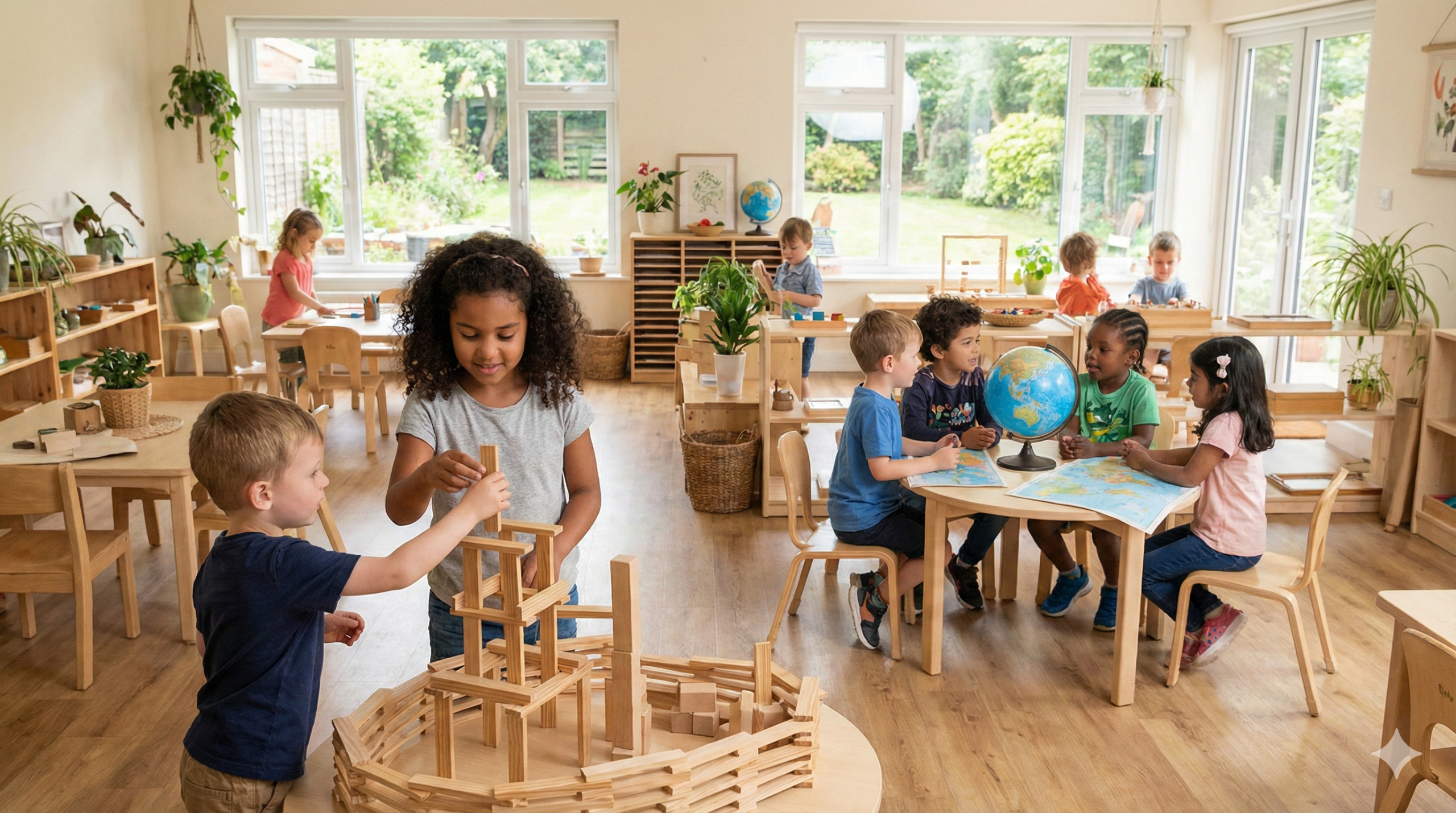
Its classrooms encourage independence, curiosity, practical-life skills, communication, and meaningful interactions with educators and classmates.
Children have opportunities to work individually and in small groups while progressing at an appropriate developmental pace.
For families selecting a Preschool in Texas, finding a program that respects individual differences and encourages positive relationships can help create a strong foundation for early learning.
Final Thoughts
Adjusting to preschool is an important developmental experience for both children and parents.
Although the transition may involve nervousness, tears, or uncertainty, consistent routines, positive communication, independence-building activities, and supportive teachers can help children gradually feel more secure.
Parents can make the process easier by preparing early, maintaining reassuring goodbye routines, acknowledging emotions, and allowing children time to adapt.
At Montessori Reggio Academy, the focus on child-centered learning, independence, and meaningful classroom experiences supports children as they begin their educational journey.
For families in Sugar Land, Katy, and surrounding Texas communities, choosing a nurturing preschool and maintaining a supportive home environment can help children approach this new chapter with growing confidence, curiosity, and excitement for learning.